


Uganda has taken a significant step in its fight against HIV/Aids with the launch of a long-acting prevention drug, Lenacapavir, in Lira City, as health leaders warn that complacency could undermine decades of progress.
The injectable drug, administered twice a year, was officially unveiled on Friday at Lira Regional Referral Hospital by Health minister Jane Ruth Aceng, marking a milestone in the country’s efforts to end Aids as a public health threat by 2030.
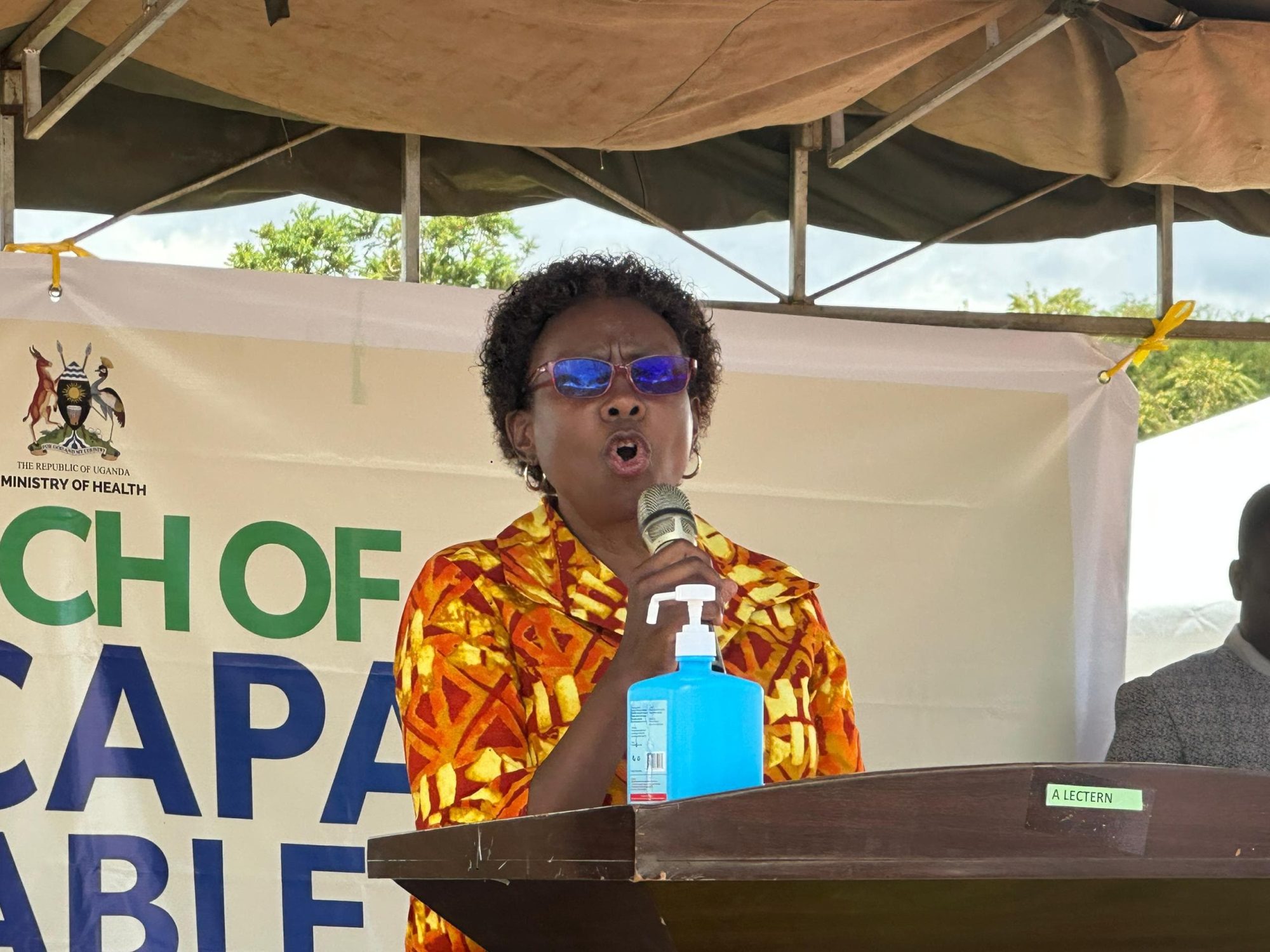
Speaking at the launch, Aceng described Lenacapavir as a “game changer” in HIV prevention, particularly for populations at high risk of infection.
“This is not just another medicine. It offers new hope by making prevention easier without the burden of taking daily pills,” she said.
“But HIV is still with us. About 100 people are infected every day in Uganda, including 33 young people, mainly adolescent girls and young women.”
Uganda has made notable progress in reducing new HIV infections, from 96,000 cases in 2010 to 37,000 by the end of 2025, while expanding treatment coverage to more than 1.4 million people. However, officials cautioned that the epidemic is far from over.
At Lira Regional Referral Hospital, where more than 11,000 people are enrolled in chronic HIV care—one of the highest burdens in the country—health workers welcomed the innovation but warned against misinterpretation of its purpose.
“This is not a vaccine,” hospital officials said during the event. “It is a preventive drug, and we must ensure the message is clear so it is not misused by those who think all problems are now solved.”
Health experts expressed concern that the introduction of new biomedical interventions could reduce risk perception, especially among young people.
Richard Kabanda, Commissioner for Health Promotion, warned that many young people no longer view HIV as a serious threat.
“Risk perception is very low, and that is worrying,” he said. “As we roll out Lenacapavir, we must strengthen both biomedical and behavioral approaches to prevention.”
He urged healthcare providers to carefully assess eligibility for the drug, noting that Uganda currently has limited doses despite high demand.
“We must ensure that only those who qualify receive it, while continuing to emphasize other preventive measures,” Kabanda added.
The minister echoed similar concerns, urging Ugandans not to abandon traditional prevention strategies such as abstinence, faithfulness, and correct condom use—the long-standing “ABC” approach.
“Prevention remains our strongest weapon,” Aceng said. “Testing is the first step. It is free, confidential, and available in all health facilities.”
She revealed that more than 150,000 Ugandans are living with HIV without knowing their status, contributing to ongoing transmission.
The choice of Lira City as the launch site was described as both symbolic and strategic, reflecting the region’s high HIV burden and its readiness to lead in adopting new prevention technologies.
“This opportunity begins with you,” the minister told residents. “Let Lango lead by example in embracing HIV prevention.”
Researchers and development partners also highlighted ongoing efforts to expand access to similar long-acting drugs for HIV treatment, not just prevention.
Current studies are exploring injectable therapies that could replace daily antiretroviral pills, with more affordable generic versions expected as early as next year.

The launch drew support from international partners, including the United States government and the Global Fund, underscoring the collaborative nature of Uganda’s HIV response.
Local leaders and health workers were urged to intensify community sensitisation efforts, tackle stigma, and promote regular testing.
“Prevention is protection. It is not a sign of weakness,” Aceng said. “Let us make every village and every household a place where people are informed, protected, and supported.”
As Uganda adopts this new approach to HIV prevention, officials say its success will depend not only on the availability of the drug, but also on sustained public awareness, responsible behaviour, and equitable access to services.
